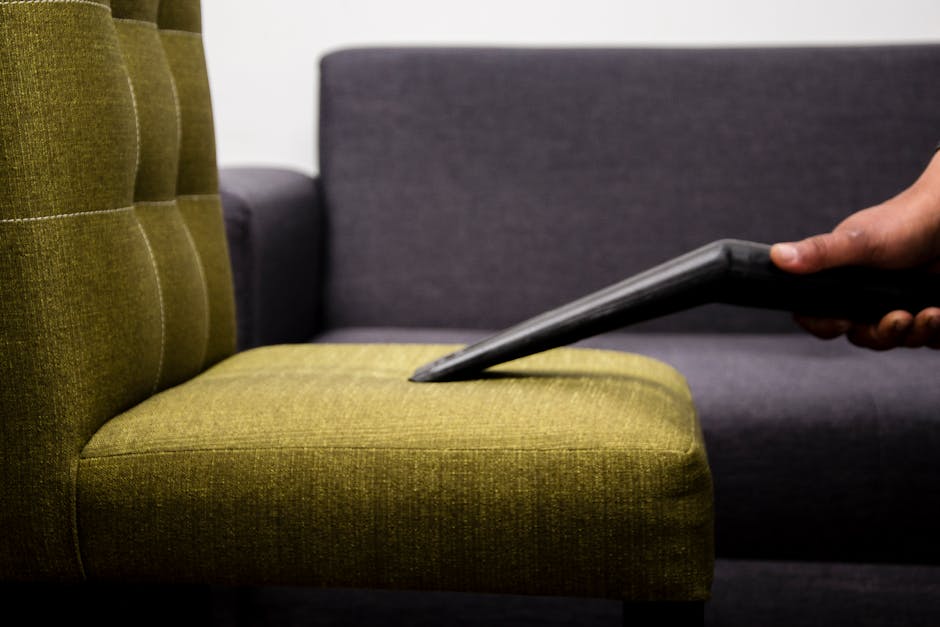
Brixton Market upholstery cleaning in Lambeth
Posted on 08/05/2026
Brixton Market upholstery cleaning in Lambeth: a practical local guide for homes, shops, and busy London spaces
If you live, work, or trade around Brixton Market, you already know furniture takes a beating. Coffee spills happen. Market dust drifts in. Fabric chairs in cafes, sofas in flats above the shops, and office seating all pick up everyday grime faster than you expect. That is exactly why Brixton Market upholstery cleaning in Lambeth matters: it helps keep seating fresh, hygienic, and presentable without the guesswork.
In this guide, we'll walk through how upholstery cleaning works, what it can and cannot do, when it makes sense to book it, and how to get better results from the start. You'll also find practical tips, common mistakes, a comparison of cleaning methods, and a checklist you can actually use. If you want a broader look at local services too, the main services overview and the dedicated upholstery cleaning in Lambeth page are useful places to start.
Truth be told, upholstery is one of those things people ignore until it looks tired. Then suddenly it is all you can see. The good news? Most fabric and some leather furnishings can be restored far better than people think, provided the method is right for the material.

Why Brixton Market upholstery cleaning in Lambeth Matters
Brixton Market is lively, colourful, and constantly moving. That energy is part of its charm, but it also means upholstery gets exposed to more than just the usual home dust. Fabric chairs in food spots, benches in shared spaces, lounge seating in rental flats, and waiting-room furniture near the market can all collect dirt, grease, pollen, food residue, and general wear.
In a busy part of Lambeth, clean upholstery is not only about looks. It affects comfort, smell, presentation, and how long furniture lasts. A sofa that is regularly cleaned can stay usable for years longer than one that is never properly maintained. That matters for households, landlords, independent retailers, hospitality spaces, and offices alike.
There is also a practical local angle. Many properties around Brixton have compact living spaces, mixed-use layouts, or older furnishings that need a bit more care than standard flat-pack furniture. A one-size-fits-all approach just does not cut it. If you're also planning a broader refresh, deep cleaning in Lambeth or a seasonal tidy-up like spring cleaning can complement upholstery care nicely.
Key takeaway: upholstery cleaning is not a luxury add-on in a high-traffic area like Brixton Market. It is regular maintenance that protects appearance, hygiene, and value.
How Brixton Market upholstery cleaning in Lambeth Works
At its simplest, upholstery cleaning removes embedded soil from fabric or leather without damaging the material underneath. The exact process depends on the fibre type, the stain history, and how much moisture the furniture can safely take.
A good cleaner will normally start with an inspection. They look for fabric labels, colourfastness, wear spots, old stains, stitching issues, and any areas that might react badly to water or detergent. That inspection matters more than people realise. It stops expensive mistakes before they happen. A velvet armchair, for example, needs a very different approach from a polyester cafe banquette.
Most professional upholstery cleaning jobs include some combination of the following:
- dry soil removal by vacuuming
- pre-treatment for spots and localised stains
- targeted agitation to loosen dirt
- hot water extraction, low-moisture cleaning, or solvent-based treatment depending on the fabric
- controlled drying and final grooming where applicable
For upholstered items in shared homes or workplaces, the process may be adjusted to fit access times, occupancy, or business opening hours. That is one reason it helps to speak to a local provider who understands Lambeth properties and the realities of a tight schedule. If you need a broader domestic reset, you may also want to look at house cleaning in Lambeth or domestic cleaning services around the same time.
And yes, sometimes the cleaning is the easy part. It is the moving of the armchair from the corner without scraping the floor that becomes the real challenge. Been there.
Key Benefits and Practical Advantages
Let's keep this grounded. Upholstery cleaning is useful because it solves real problems people see every day, not because it sounds impressive on a brochure.
- Better appearance: fabric looks brighter, less patchy, and more cared for.
- Improved hygiene: regular cleaning helps remove dust, crumbs, skin flakes, and other everyday build-up.
- Odour reduction: spills, smoke, cooking smells, and damp-related odours often settle into upholstery.
- Longer furniture life: removing grit and residue reduces wear on fibres.
- More professional presentation: especially important for cafes, offices, salons, and rented spaces near the market.
- Better guest comfort: nobody enjoys sitting on a sticky or musty sofa, let's face it.
There is a financial side too. Replacing commercial seating or a decent three-seater sofa is expensive. Cleaning is usually the more sensible first step, particularly where stains are surface-level or the furniture is structurally sound. For landlords and tenants in particular, it can also support a smoother handover process, especially when paired with end of tenancy cleaning in Lambeth.
One overlooked benefit is confidence. A fresh chair or sofa changes how a room feels. You notice it when you sit down, and you notice it when people visit. The whole place reads as cared for.
Who This Is For and When It Makes Sense
This service is not just for people with obvious stains. In practice, there are several groups around Brixton Market and wider Lambeth who benefit from upholstery cleaning.
Homeowners and renters
If you have children, pets, regular guests, or a small flat where the sofa does everything from movie nights to laptop duty, upholstery will pick up use fast. Cleaning makes sense when the fabric starts looking dull, smells a bit stale, or a spill has left a visible mark that vacuuming will not shift.
Cafes, bars, and food businesses
Market-adjacent hospitality spaces often need upholstery and seating cleaned more often than a domestic sofa. Food contact, drink spills, and daily turnover can leave chairs looking tired quickly. Clean seating also supports the kind of first impression that keeps people sitting down for another coffee.
Offices and co-working spaces
Reception chairs, breakout sofas, and meeting-room seating can accumulate marks from constant use. If your business uses a public-facing space, upholstery maintenance is part of the wider presentation. It sits neatly alongside office cleaning in Lambeth.
Landlords and letting agents
When a tenant moves out, soft furnishings often need a refresh before new occupants arrive. If you are comparing cleaning priorities, pairing upholstery with carpet cleaning in Lambeth can make a property feel much more complete.
When it makes sense to wait
There are times when a cleaner may advise caution. For example, if the fabric label is missing, the cushioning is already deteriorating, or the upholstery has active mould damage, the job may need special handling. In other words, not every chair should be treated the same. A sensible cleaner will say so.
Step-by-Step Guidance
If you have never booked upholstery cleaning before, the process is usually straightforward. Here is the typical flow.
- Identify the furniture and the fabric. Take note of the item type, the material, any visible stains, and where it sits in the room.
- Check for care labels or manufacturer guidance. These often indicate whether the upholstery can safely be wet cleaned, solvent cleaned, or only lightly treated.
- Choose the right service level. A light refresh for a guest chair is different from a heavily used family sofa or a cafe bench.
- Move the furniture if needed. Clearing access makes the job faster and avoids awkward delays. Honestly, this saves more hassle than people expect.
- Ask about the method. Some fabrics suit hot water extraction; others need low-moisture or dry cleaning methods.
- Pre-test if appropriate. A small hidden area may be tested first for colourfastness.
- Carry out the clean. This may involve vacuuming, pre-spray, stain treatment, agitation, and extraction or solvent application.
- Allow proper drying time. Keep the room ventilated and avoid sitting on the item too early.
- Inspect the result. Check corners, seams, arms, and high-contact areas, not just the centre panel.
If you are arranging more than one service at once, it often helps to combine jobs in the same visit. For example, some customers bundle upholstery with one-off cleaning in Lambeth or book a broader deep clean after a renovation, move, or busy season.
A quick note from real life: the best results often come when the client can point out the exact problem spots. The left arm where the tea goes. The cushion by the window. The bit the cat always claims. That little bit of context helps a lot.
Expert Tips for Better Results
Small choices before and after the clean can make a noticeable difference. These are the sort of details people usually learn the hard way, so it's worth saving the trouble.
- Act quickly on spills. Blot, do not scrub. Scrubbing pushes the stain deeper and can rough up the pile.
- Use the right vacuum attachment. A soft brush or upholstery head removes dry debris without damaging fibres.
- Ventilate the room. Open windows where possible and keep airflow moving after cleaning.
- Rotate cushions. This evens out wear and helps upholstery age more evenly.
- Ask for fabric-specific treatment. Velvet, linen blends, microfibre, and leather all behave differently.
- Think prevention. A throw or seat cover in a high-use area can buy you time between cleans.
- Don't over-wet the item at home. Too much moisture can leave rings, odours, or slow-drying issues.
One useful trick for busy homes or businesses near Brixton Market: schedule upholstery cleaning before the furniture looks visibly bad. That sounds obvious, but many people wait too long. The clean goes better, drying is easier, and the item usually looks fresher for longer.
If you want reassurance on service quality and process, it can also help to read the company's insurance and safety information and health and safety policy before booking. A trustworthy provider should be clear and calm about these things, not vague.

Common Mistakes to Avoid
Most upholstery problems after cleaning do not happen because the item was impossible to clean. They happen because someone rushed, guessed, or used the wrong method. Simple as that.
- Using harsh household stain removers: some products bleach or set stains instead of removing them.
- Rubbing too hard: friction can distort fabric and spread the mark.
- Skipping a fabric check: what works on synthetic seating may damage wool blends or delicate textures.
- Not allowing enough drying time: sitting on damp upholstery can flatten fibres and bring dirt back to the surface.
- Ignoring hidden odours: a furniture item may look clean but still hold smells from spills or damp.
- Trying to clean mould yourself: if mould is present, the situation needs careful assessment, not a quick spray-and-pray moment.
Another mistake is assuming every mark is a stain that can be removed. Sometimes the issue is fibre wear, dye transfer, or sun fading. Good advice means knowing the difference. That's the sort of honesty you want from any local cleaning provider.
Tools, Resources and Recommendations
You do not need to own professional machinery to keep upholstery in decent shape, but it helps to understand what the better tools and materials do. That makes booking a service easier, and it also helps with everyday upkeep between visits.
| Method / Tool | Best for | Strengths | Limitations |
|---|---|---|---|
| Standard vacuum with upholstery attachment | Routine maintenance | Removes dust, crumbs, and loose debris | Will not lift deep stains or odours |
| Hot water extraction | Many synthetic fabrics and robust seating | Good soil removal and freshening effect | Not suitable for every textile; drying time matters |
| Low-moisture cleaning | Delicate or access-sensitive upholstery | Faster drying, less saturation | May be less aggressive on heavy soil |
| Leather cleaning and conditioning | Leather sofas and chairs | Helps preserve suppleness and appearance | Needs the right product pairing and gentle technique |
| Spot treatment products | Specific spill marks | Useful when matched correctly to the stain type | Misuse can make the stain worse |
As a general recommendation, choose the least aggressive method that can still do the job properly. That is usually the safest route for furniture in decent condition. If you are comparing service options, the pricing and quotes page can help you understand how requests are handled before you book.
If you are researching the broader area as part of a move or refurbishment, the blog posts on authentic life in Lambeth and community views in Lambeth give a useful sense of the local character too. Not directly about cleaning, sure, but it helps if you're planning for the area as a whole.
Law, Compliance, Standards, or Best Practice
For upholstery cleaning, there usually is not a single one-size-fits-all legal rule that applies to every domestic job. But there are still important standards and best-practice expectations to think about, especially for commercial spaces and shared properties.
In the UK, providers should work in line with general health and safety duties, use products appropriately, and communicate clearly about any limitations or risks. For businesses, that includes being careful around slip risks from wet flooring, protecting electrical items nearby, and making sure cleaning is done in a way that does not create avoidable hazards for staff or customers.
For households and landlords, it is wise to keep an eye on manufacturer care instructions, especially where furniture is new, expensive, or still under warranty. If a piece has a label indicating professional cleaning only, that should be respected. If a cleaner sees a risk, they should say so rather than soldier on and hope for the best. Hope is not a cleaning method.
It is also sensible to choose a provider with clear policies. A transparent company should make information about terms and conditions, privacy, payment and security, and a complaints procedure easy to find. That is not box-ticking. It is a trust signal.
If your upholstery sits within a larger cleaning schedule, you may also want to review the company's wider about us and modern slavery statement. Those pages tell you a lot about how seriously the business takes responsibility.
Options, Methods, or Comparison Table
Choosing the right upholstery cleaning approach depends on the fabric, the level of soiling, and how quickly you need the item back in use. Here is a straightforward comparison.
| Cleaning option | Best use case | Typical pros | Watch-outs |
|---|---|---|---|
| DIY spot cleaning | Very small fresh spills | Fast, cheap, convenient | Easy to overdo; may set the stain |
| Basic maintenance clean | Light wear and regular dust build-up | Improves freshness without heavy intervention | May not remove deep-set marks |
| Professional hot water extraction | Durable fabric upholstery with embedded soil | Strong cleaning power, good for high-traffic seating | Needs suitable fabric and drying space |
| Low-moisture professional clean | Delicate fabrics or quick turnaround needs | Faster drying, less risk of over-wetting | May need repeat treatment for heavy grime |
| Leather conditioning service | Leather sofas and armchairs | Helps maintain suppleness and finish | Wrong products can leave residue or shine |
For Brixton Market homes and businesses, the practical question is usually not "which method is best in theory?" but "which one suits this chair, this fabric, and this timetable?" That is the right way to think about it.
Case Study or Real-World Example
Here's a realistic example from the kind of situation people around Brixton Market often face.
A small cafe with upholstered bench seating had a mix of coffee marks, food stains, and a general dull film from daily use. Nothing dramatic, but enough to make the seating look older than it was. Staff had tried wiping the surface, which helped only a little. The benches still looked uneven, especially in daylight near the window. In the afternoon, the marks were hard to ignore.
The sensible approach was simple: identify the fabric, test a small hidden area, treat the visible marks, clean the full seating run for an even finish, and allow proper drying before reopening the seating area. Because the cafe was busy, the work was scheduled outside operating hours. That made all the difference. Customers came back to a cleaner-looking room, and the seating felt fresher without the business having to replace anything.
The lesson is not that every upholstery job is dramatic. It is that small, ordinary problems add up. By the time a piece looks "a bit tired," there is usually a proper cleaning opportunity hiding in plain sight.
Practical Checklist
Use this before you book or carry out upholstery cleaning near Brixton Market. It will save time and, more importantly, avoid a few avoidable headaches.
- Check the fabric type and any care label.
- Note the exact problem areas: stains, odours, pet hair, or overall dullness.
- Decide whether the item needs a light refresh or a deeper clean.
- Clear access around the furniture.
- Move fragile items away from the work area.
- Ask how long drying is likely to take.
- Find out whether the cleaner uses hot water extraction, low-moisture methods, or leather-specific treatment.
- Check for insurance, safety information, and clear terms.
- Plan ventilation after the job.
- Book in advance if you need the room back in use by a certain time.
If you are preparing for a bigger reset, you may also find the same-day carpet cleaning guide useful for understanding how local fast-turnaround bookings are handled in Lambeth. Different job, same kind of urgency sometimes.
Get a free quote today and see how much you can save.
If you are ready to compare options or want a tailored recommendation for your furniture, you can also use the request a quote page or get in touch via the contact page. A short conversation often clears up a lot, especially when the fabric is unusual or the layout is a bit awkward.
Conclusion
Brixton Market upholstery cleaning in Lambeth is really about keeping everyday spaces comfortable, presentable, and easier to live or work in. Whether you are maintaining a family sofa, refreshing cafe seating, or getting a rental property ready for new occupants, the same principle holds: the right cleaning method, used at the right time, does far more than a quick surface wipe ever could.
What matters most is choosing the approach that suits the fabric, the level of use, and the practical realities of your space. If you get that part right, upholstery cleaning becomes less of a chore and more of a smart bit of upkeep. A small thing, maybe. But small things change how a room feels, and sometimes that matters more than we admit.
For anyone nearby who wants clean seating without the stress, it is a very manageable job with the right guidance. And honestly, once the room smells fresher and the fabric looks brighter, you will wonder why you left it so long.