Emergency flood cleaning for Waterloo homes in Lambeth
Posted on 16/05/2026
Flooding in a Waterloo home rarely arrives with much warning. One minute it is a damp patch near the skirting board, the next it is a hallway full of grey water, a soaked carpet, and that heavy smell that seems to cling to everything. If you are dealing with that right now, take a breath. The first hours matter, but you do not need to figure everything out in a panic.
This guide explains Emergency flood cleaning for Waterloo homes in Lambeth in plain English: what it involves, why fast action matters, how the clean-up process usually works, and what to avoid if you want to protect your home, your health, and your budget. You will also find practical checklists, realistic examples, and a few local pointers to help you decide the next step. If you want a broader view of the services available, the services overview is a useful place to start.

Why Emergency flood cleaning for Waterloo homes in Lambeth Matters
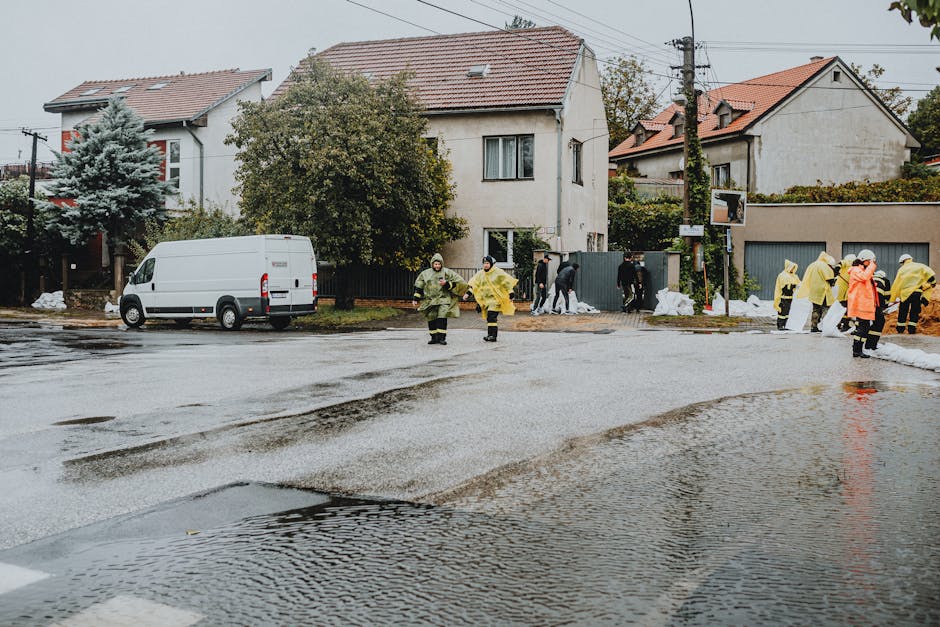
Floodwater is not just water. In a city setting like Waterloo, it can bring in dirt, bacteria, road grime, food waste, silt, and sometimes far worse depending on the source. A burst pipe is one thing; sewage-backed water is another altogether. Either way, the clock starts ticking as soon as the flood appears.
Homes in Waterloo and the wider Lambeth area often have a mix of property types: basement flats, period terraces, converted buildings, and busy households with lots of foot traffic. That matters because water can move quietly into gaps under flooring, behind cupboards, and into underlay before anyone sees the full picture. A surface wipe-down may make a room look better for an hour or two, but hidden moisture can keep causing trouble long after the visible mess is gone.
That is why emergency flood cleaning is really a damage-control process, not just a cleaning task. It is about stopping mould before it starts, reducing odours, protecting wood and plaster, and making the property safe to use again. Truth be told, once water gets into soft furnishings and porous materials, delay is usually the most expensive mistake.
For Waterloo homes specifically, the stakes can feel even higher because many people live in compact spaces where one affected room can disrupt the whole home. A wet lounge becomes a wet hallway. A wet hallway becomes no access to the kitchen. Suddenly the problem is everywhere.
You may also be thinking about landlords, tenants, or managing agents. If that is the case, fast, documented action matters even more. A prompt response can reduce disputes later, and clear communication helps everyone understand what was damaged, what was cleaned, and what may still need repair. If your flood has affected carpets or upholstery, it may help to look at carpet cleaning in Lambeth and upholstery cleaning in Lambeth as follow-up services once the immediate danger has been handled.
Key takeaway: the first goal after a flood is not to make everything look perfect. It is to make the home safe, dry, and stable enough to prevent further damage.
How Emergency flood cleaning for Waterloo homes in Lambeth Works
Emergency flood cleaning usually follows a practical sequence. The exact steps depend on the source of the water, how long it has been standing, and what materials were affected, but the logic is broadly the same: assess, remove, clean, dry, and check again.
1. Initial assessment
The first job is to identify the type of water involved. Clean water from a supply pipe is less risky than grey water from appliances, and both are very different from sewage contamination. A good assessment looks at where the water came from, where it has spread, and what surfaces it has touched. A quick visual scan is useful, but professionals will usually go deeper than that because moisture travels under floors and into wall edges.
2. Standing water removal
If there is any standing water, it needs to be removed as quickly as possible using wet vacuums, pumps, or extraction tools. This is often the part people try to DIY first with a mop and bucket. Fair enough, that can help in a tiny spill, but with a flood it rarely removes enough water to matter.
3. Sorting salvageable and unsalvageable items
Not everything can be saved. Paper items, saturated insulation, badly contaminated fabrics, and swollen chipboard often need specialist judgement. The goal is to save what is safe and practical, not to hold onto every object at all costs. A rug that smells musty after drying, for example, may look fine but still hold moisture and odour deep inside the pile.
4. Cleaning and sanitising
Flood cleaning usually includes more than a cosmetic wipe. Hard surfaces, affected joinery, and any items exposed to dirty water may need disinfecting or sanitising using products appropriate for the material. In some homes, this is where the job gets more delicate. You want effective cleaning, but you also do not want to strip finishes or spread contamination around.
5. Drying and dehumidification
Drying is one of the most important stages. Air movers and dehumidifiers help pull moisture out of floors, walls, carpets, and the air itself. Ventilation matters too, but London weather does not always cooperate, and opening windows is not always enough. The room may feel dry to the touch while timber or plaster is still holding water underneath.
6. Monitoring and final checks
The work is not finished when the water disappears. Moisture readings, smell checks, and visual inspection all help confirm that the area is drying properly. A home that is "mostly dry" can still develop mould in a few days if hidden pockets remain. That is a miserable surprise, and one you definitely want to avoid.
Depending on the situation, the next stage may overlap with broader deep cleaning in Lambeth or even a targeted one-off cleaning service once the emergency has been contained.
Key Benefits and Practical Advantages
The value of emergency flood cleaning is not just in removing dirty water. Done properly, it protects the parts of a home that are hardest and most expensive to replace later.
- Reduces mould risk: fast drying limits the conditions mould needs to grow.
- Helps preserve flooring: carpets, laminate edges, and underlay are all vulnerable after flooding.
- Limits odours: floodwater can leave a stale, earthy smell that lingers if not treated properly.
- Protects structural materials: plasterboard, timber, skirting boards, and cabinetry can all suffer from hidden moisture.
- Improves safety: wet floors, electrics, and contaminated surfaces can be hazardous.
- Supports insurance or landlord records: a documented clean-up makes later claims or discussions much easier.
There is also a quieter benefit that people do not always mention: peace of mind. When a room is damp and the air feels heavy, the whole house can feel out of sorts. Getting the damage under control gives you back a sense of normality. That counts for a lot.
If the flood has affected carpets that you were already planning to replace, this may be the moment to compare practical follow-on support such as end of tenancy cleaning in Lambeth or house cleaning support, especially if you are preparing a property for inspection or move-out.
Who This Is For and When It Makes Sense
Emergency flood cleaning is relevant to more people than you might think. It is not only for dramatic "water pouring through the ceiling" situations. Sometimes the need starts with something smaller that has gone unnoticed for too long.
It makes sense for:
- homeowners dealing with a burst pipe, appliance leak, or stormwater entry
- tenants who need fast help after an internal leak or overflow
- landlords trying to protect the condition of a rental property
- managing agents responding to urgent water damage in a block or conversion
- families with young children, older residents, or anyone sensitive to damp and poor air quality
It is especially sensible when water has entered carpets, underlay, wooden flooring, sofas, mattresses, or cupboard bases. If the water has spread into several rooms, the need becomes more urgent. And if there is a smell that seems sour, earthy, or slightly sewage-like, do not brush it off. That smell is your clue that the situation needs proper attention.
In Waterloo flats, it is common for the visible source to be one issue while the actual damage travels further. A leak from upstairs may show up near the door, in the hallway, or under the edge of a fitted unit. A lot of the work is detective work, really.
Step-by-Step Guidance
Here is a practical sequence you can use if you are facing a flood in your home right now. It is not a replacement for specialist help in serious cases, but it will help you stay steady and avoid panic-driven mistakes.
- Make the area safe. If water is near electrics, do not step into it until power is isolated by a qualified person or it is clearly safe to do so. Safety first. Always.
- Stop the source if you can. Turn off the water supply if the flood is caused by a pipe, appliance, or internal leak. If you cannot find the source quickly, skip the guessing game and call for help.
- Move people and valuables out. Remove dry electronics, documents, cushions, and portable items from the affected area. The less they sit in humid air, the better.
- Take photos before moving too much. A few clear pictures can help with insurance or landlord discussions later.
- Lift loose fabrics and rugs. If safe, get them off the floor so they do not trap water underneath.
- Blot, do not scrub. For small areas, blotting removes moisture better than rubbing, which can push contamination deeper into fibres.
- Ventilate if conditions allow. Open windows only if it will help drying and not worsen the situation. In cold wet weather, mechanical drying may be better.
- Start extraction and drying. Use professional equipment where possible. A domestic fan is nice, but it is not a flood solution.
- Check for hidden damp. Behind furniture, under edges, and at skirting level are common trouble spots.
- Arrange a follow-up clean. Once the property is dry, it may need targeted carpet or upholstery cleaning to deal with odour and residues.
If you are dealing with a larger property issue, especially in a busy household, it can help to coordinate this with broader domestic cleaning in Lambeth so that the home returns to normal properly, not just superficially.
Expert Tips for Better Results
Flood recovery is one of those jobs where small decisions really matter. A few sensible habits can make a noticeable difference.
- Act early. The first 24 to 48 hours are often the most important for reducing secondary damage.
- Keep airflow moving. Stagnant, damp air is the enemy. Even a slightly awkward furniture shuffle can improve circulation.
- Separate clean items from contaminated ones. Don't pile everything together in one corner. That just spreads the problem.
- Use dehumidifiers strategically. Put them where air can circulate around the dampest materials, not wedged against a wall.
- Watch for hidden smells. A room can look better while still smelling off. Trust your nose. It is surprisingly useful here.
- Be careful with bleach. It is not a universal fix and can damage fabrics or finishes if used badly.
- Document everything. A few notes about times, damage, and actions taken can save a lot of hassle later.
A small human truth here: most people underestimate the time it takes for materials to dry from the inside out. A carpet may feel nearly dry by late afternoon and still be damp at the backing. That is where trouble starts. So yes, patience matters, even when you want the whole thing finished yesterday.
Common Mistakes to Avoid
There are a few errors that come up again and again after home flooding. Avoiding them can save money and, just as importantly, prevent a health headache later.
- Waiting too long to act. Water damage gets worse with time, not better.
- Assuming the surface is the whole story. Hidden moisture beneath flooring is common.
- Using the wrong cleaning products. Some products spread contamination or damage finishes.
- Ignoring odour. A bad smell often means moisture or residue is still present.
- Replacing items too quickly. Some things can be cleaned and saved if handled promptly.
- Drying too fast in the wrong way. Strong heat on its own can cause warping or trap moisture unevenly.
- Forgetting safety checks. Wet electrics and unstable flooring are not worth the risk.
And one more, slightly underrated mistake: trying to do everything in one go without stopping to assess. People get tired. It happens. A flood clean is not the time to power through like you are reorganising a wardrobe.
Tools, Resources and Recommendations
In an emergency, the right tools make the job faster and more controlled. You do not need a warehouse of kit, but certain equipment is genuinely useful.
| Tool or Resource | What it helps with | Best use |
|---|---|---|
| Wet vacuum or extraction machine | Removing standing water | Initial response on hard floors and carpets |
| Dehumidifier | Drawing moisture out of the air and materials | Drying rooms after extraction |
| Air mover or drying fan | Improving airflow across damp surfaces | Speeding surface drying |
| Moisture meter | Checking whether hidden damp remains | Monitoring walls, floors, and timber |
| Protective gloves and footwear | Reducing exposure to dirty water | Any contaminated cleanup |
| Professional cleaning service | Assessment, extraction, sanitising, drying guidance | When the flood is beyond a quick DIY fix |
For residents who want a clearer sense of what a reputable provider should offer, the pages on insurance and safety and health and safety policy are useful trust signals to review before booking any flood-related service.
If you are comparing options, do not just ask "can you clean it?" Ask how they assess contamination, what drying equipment they use, and how they verify the home is properly dry afterwards. That is the difference between a tidy-looking room and a genuinely restored one.
Law, Compliance, Standards, or Best Practice
Flood cleaning in a home is not the same as a routine tidy-up, so good practice matters. In the UK, there are sensible expectations around safety, waste handling, and working carefully around contaminated materials. If floodwater is contaminated, waste may need to be handled and disposed of appropriately. If electrics are involved, they should be treated cautiously and checked by a qualified professional where needed.
There is also a practical duty of care issue. Homeowners, tenants, landlords, and agents should all act reasonably to limit further damage where they can. That usually means stopping the water source, recording the damage, avoiding unsafe areas, and getting support quickly.
For businesses or landlords coordinating a response, it helps to work with providers that are transparent about their processes and customer rights. The pages on terms and conditions, privacy policy, and complaints procedure can be useful reference points when choosing a service partner. That may sound a bit formal in the middle of a flood, but it becomes very relevant if there is an insurance claim, a tenancy issue, or a dispute about what happened.
Best practice also means being honest about limits. Not every item is recoverable. Not every stain will disappear. And not every floor can be dried instantly without consequences. A trustworthy provider should explain that clearly rather than promising miracles. To be fair, miracle promises in cleaning usually end badly.
Options, Methods, or Comparison Table
Different flood situations call for different responses. Here is a simple comparison to help you judge what is likely to fit your situation.
| Method | Best for | Limitations | Typical outcome |
|---|---|---|---|
| Basic DIY mop-and-dry | Very small spills or clean water leaks | Poor for hidden moisture and contamination | Useful as a first aid step, not a full solution |
| Portable drying equipment | Minor to moderate internal leaks | Needs proper placement and monitoring | Can work well if started quickly |
| Professional emergency flood cleaning | More serious water ingress, contaminated water, multiple rooms | Costs more than DIY, but far more complete | Better control, cleaner finish, safer drying |
| Full restoration and follow-up works | Severe damage, structural damp, repeated leaks | May involve several trades or repair stages | Best for complex or long-running water damage |
In practice, many Waterloo homeowners start with the first row and quickly realise they need the third. No shame in that. Floods do not come with neat labels on the door.
Case Study or Real-World Example
Here is a realistic example based on the kind of callouts people often describe, without dressing it up as a dramatic story. A Waterloo flat on the ground floor has a leak from a washing machine hose late in the evening. The resident notices damp carpet near the kitchen doorway and a faint musty smell. By the next morning, the underlay is holding water and the skirting board along one wall is showing moisture at the base.
The sensible response is straightforward:
- the water supply is isolated
- small items are moved clear of the floor
- the affected carpet is lifted where possible for inspection
- standing water is extracted
- the room is cleaned and dehumidified
- moisture is checked again over the following day or two
If this were left for several days, the same incident could easily lead to a persistent smell, lifted flooring edges, and possible mould at the wall line. The big lesson? The visible puddle is not the whole incident. It is the start of the incident.
After the emergency stage, the resident may decide to combine flood recovery with a deeper refresh of the flat. In that scenario, a service like spring cleaning in Lambeth or a more targeted house cleaning service can help the home feel normal again once the damp issue is resolved.
Practical Checklist
Use this checklist if you need a quick, steady plan during or after a flood.
- Turn off the water source if safe to do so
- Stay clear of electrics and wet sockets
- Photograph the damage before moving too much
- Remove valuables, textiles, and portable electronics
- Blot or extract standing water
- Lift rugs and move furniture off damp areas
- Start airflow and dehumidification as soon as possible
- Check under furniture, along skirting, and near door thresholds
- Separate contaminated items from clean ones
- Arrange professional help if the water is dirty, widespread, or persistent
- Keep notes for insurance, landlord, or managing agent records
- Re-check for smell, staining, and residual damp after drying
If you want to talk through the situation before booking, the team page at about us and the contact page can be helpful next steps. If you are already ready to move, you can also use the quote request form to get the ball rolling.
Conclusion
Flooding is stressful, messy, and inconvenient in exactly the ways people do not need. But with the right response, most Waterloo homes in Lambeth can be stabilised quickly, cleaned properly, and brought back to a safe condition without adding avoidable damage to the list.
The main thing is not to leave moisture sitting around and hoping for the best. Drying, cleaning, and checking matter. So does knowing when the job is bigger than a quick mop and a good attitude. If the water is contaminated, widespread, or soaking into floors and walls, get help early. That simple decision can save a lot of time, money, and stress.
Get a free quote today and see how much you can save.
And if you are in the middle of a soggy, frustrating afternoon right now, remember this: the situation feels bigger at the start than it usually is by the end. One careful step at a time. That is enough.