Lambeth Council waste rules for cleaning and disposal
Posted on 18/08/2026

Lambeth Council Waste Rules for Cleaning and Disposal: A Practical Guide for Homes, Landlords and Cleaners
If you are dealing with a post-renovation mess, an end-of-tenancy reset, or just a serious weekend clear-out, Lambeth Council waste rules for cleaning and disposal can save you a lot of hassle. They also help you avoid the classic London problem: a pile of bags outside the property, a missed collection, and a very annoyed neighbour by Monday morning. This guide breaks the rules down in plain English, with practical steps for sorting waste, handling bulky items, and planning cleaning jobs without creating avoidable problems.
Whether you are a homeowner, tenant, landlord, property manager, or a cleaner working in Lambeth, the basics matter. What can go in the general waste bin? What needs special handling? How do you dispose of cleaning waste after a deep clean, carpet clean, or flood cleanup? We will cover the process, the risks, and the best way to stay tidy, compliant, and sensible about it all.
- Why these waste rules matter
- How Lambeth waste disposal works
- Benefits for residents and cleaners
- Who needs to follow these rules
- Step-by-step guidance
- Expert tips for cleaner, safer disposal
- Common mistakes to avoid
- Tools, resources and useful pages
- Compliance, duty of care and best practice
- Options and disposal methods compared
- Real-world example
- Practical checklist
- Frequently asked questions
Why Lambeth Council waste rules for cleaning and disposal Matters
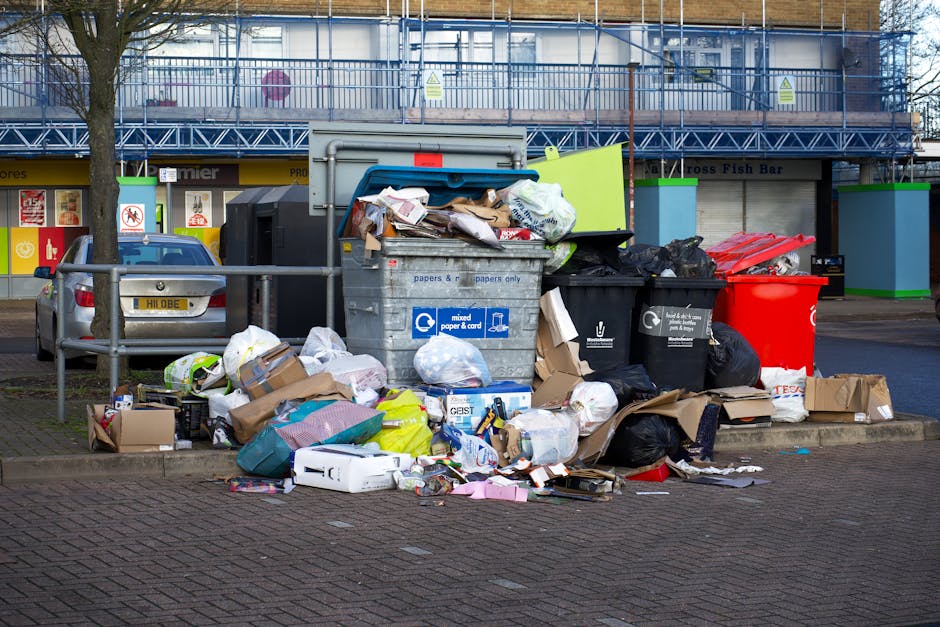
Waste rules are not just about keeping the street looking decent, although that is part of it. In Lambeth, as in the rest of London, the way you handle rubbish affects collection reliability, pest control, shared building hygiene, and even how smoothly a tenancy ends. A small mistake can become a bigger one fast. Think of a bin bag split on the pavement, cleaning chemical residue leaking into the wrong container, or a sofa left outside too early. Not glamorous, but very real.
For cleaners, the rules matter because they shape how jobs are planned. A deep clean generates packaging, cloth waste, dust, worn disposable items, and sometimes contaminated materials. After a carpet clean or upholstery clean, you may also have water, sludge, or residues that should not simply be tipped anywhere. If you are running an end-of-tenancy clean, you need a proper disposal plan before you start, not after the last room smells of bleach and wet fabric.
For residents, following the local approach means fewer collection issues and fewer complaints from neighbours or building managers. And let's be honest, in a busy borough, one incorrect rubbish move can travel further than you think.
Expert summary: The safest approach is simple: separate waste early, keep recyclable and general waste apart, avoid dumping liquids or chemical-heavy residue into the wrong system, and plan bulky-item removal before the mess stacks up. That one habit prevents most disposal headaches.
If you are also planning a broader property refresh, it can help to pair disposal planning with a service like deep cleaning in Lambeth or a more tailored one-off clean. Those services tend to create a clearer waste trail, which makes compliance easier from the outset.
How Lambeth Council waste rules for cleaning and disposal Works
The basic logic is straightforward: separate waste by type, present it correctly for collection, and use the right disposal route for anything that is not standard household rubbish. In practice, that means the job starts with identifying what you actually have. Not all waste from cleaning is the same, and that distinction matters more than people expect.
Common waste types during cleaning
- General household waste: dust bags, food waste, used wipes, broken small items, and non-recyclable leftovers.
- Recyclable waste: clean cardboard, paper, certain plastics, tins, and glass, where accepted.
- Bulky waste: mattresses, furniture, old rugs, broken shelves, and larger items removed during decluttering.
- Garden or outdoor waste: leaves, branches, soil, and small green waste from outdoor tidy-ups.
- Special waste: chemicals, paint, solvents, hazardous residues, sharps, and anything contaminated in a way that needs separate handling.
For regular domestic cleaning, most waste should be light and manageable. But once you move into deep cleans, spring cleans, move-out cleans, or post-incident work, you often see a mixed bag of materials. That is where a methodical system helps. If you need a regular home reset rather than a one-off clear-out, you may also want to explore domestic cleaning in Lambeth or house cleaning support to keep waste volumes low over time.
What usually happens in a proper disposal workflow
- Waste is sorted at source, ideally room by room.
- Recyclables are separated where possible and kept clean.
- General waste is bagged securely and placed in the correct container.
- Bulky or special waste is identified before collection day.
- Anything unsafe, wet, sharp, or chemically contaminated is isolated.
- Final disposal is matched to the correct route, not forced into one bin.
The big idea is this: do not let the waste system guess for you. If you know the waste type, you can pick the right disposal method. If you do not, problems tend to appear later, usually at the worst possible time.
Key Benefits and Practical Advantages
Following Lambeth Council waste rules for cleaning and disposal gives you more than tidy pavements. It keeps the whole cleaning process cleaner, safer, and easier to manage. That sounds obvious, but in real jobs it makes a real difference.
- Fewer missed collections: Bags and containers that are prepared correctly are less likely to be left behind.
- Cleaner shared spaces: Good waste handling reduces smells, spills, and unwanted mess in hallways or communal bins.
- Lower pest risk: Loose waste attracts rodents and insects faster than most people realise.
- Better tenant and landlord relations: A clean exit matters when deposits, inspections, or handovers are involved.
- Safer work practices: Cleaners and residents are less likely to handle contaminated materials the wrong way.
- Less time wasted: Sorting early is quicker than re-bagging everything later. You will notice that immediately.
There is also a commercial angle. If you are arranging professional cleaning for a rental flat, office, or managed property, correct disposal can protect your schedule and your budget. A service like end-of-tenancy cleaning in Lambeth becomes much more efficient when waste removal is planned from the start. The same is true for office cleaning, where paper, packaging, and cleaning materials can accumulate quickly in a shared environment.
And yes, it can even improve the look of the final result. A freshly cleaned room with a stray pile of waste in the corner still feels unfinished. Truth be told, it looks a bit sad.
Who This Is For and When It Makes Sense
This topic is useful for a wider group than people first expect. It is not just for households with a lot of rubbish. If you live or work in Lambeth, waste handling can come up in all kinds of ordinary situations.
Typical people who need this guidance
- Tenants: moving out, clearing a room, or dealing with cleaning waste after a tenancy.
- Landlords and letting agents: managing waste after inspections, void periods, or refurbishments.
- Homeowners: tackling a deep clean, decluttering project, or seasonal reset.
- Cleaners and contractors: dealing with the waste created by cleaning tasks and consumables.
- Office managers: handling paper, packaging, old office items, and general upkeep waste.
- Property managers: coordinating waste for communal spaces, flats, and periodic maintenance.
It makes sense any time a job creates more waste than usual. That could be a spring clean after months of buildup, a post-party tidy, a rug removal, a flood cleanup, or a room refurb. If water damage is involved, the waste picture becomes more complicated because soaked materials, damaged textiles, and contaminated debris may need special handling. In those cases, a targeted service such as emergency flood cleaning in Waterloo homes is often a better starting point than trying to improvise.
If you are unsure whether a job is too small or too messy to manage alone, ask yourself one question: will the waste fit into the normal routine without creating a second problem? If the answer is no, plan ahead.
Step-by-Step Guidance
Here is the practical version. This is the part most people actually need, because no one wants a vague lecture when the bin day is tomorrow.
1. Assess the waste before you start
Walk through the property and make a rough list. Are you dealing with soft waste, packaging, food debris, cleaning cloths, broken items, or bulky furniture? If you are using a cleaner, ask them to flag waste types before work begins. That way you are not surprised by a pile of wet materials at the end.
2. Separate waste by category
Keep recyclables separate from general rubbish where possible. Isolate anything sharp or hazardous. If the job includes cloths saturated with chemicals or debris from a damaged area, keep those apart from ordinary household waste. Small mistakes here create bigger handling problems later.
3. Use the right bags and containers
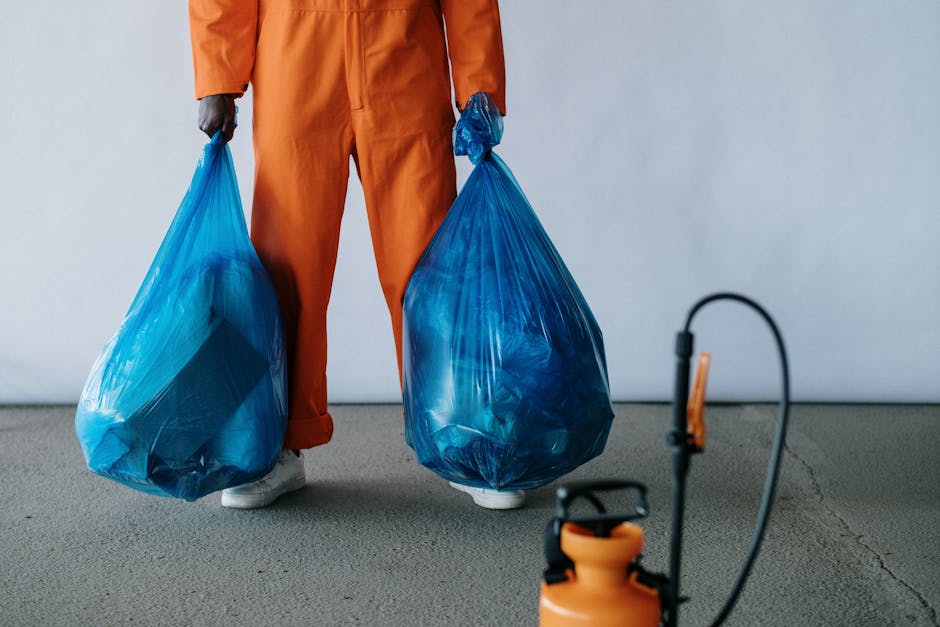
Strong bin bags are worth it. Flimsy ones split easily, especially with damp waste or sharp edges. For cleaner jobs, double-bagging certain waste can reduce leaks, though you should not overfill. Overstuffed bags are the kind that make a person mutter under their breath on the stairs.
4. Store waste safely until collection
Do not block hallways, exits, or communal access. In a flat, that matters a lot. Keep waste in a designated spot, away from heat sources, pets, and shared walkways. If you are working in a basement or a top-floor conversion, think about lifting and carrying before you start piling things up.
5. Arrange bulky or special disposal early
Furniture, mattresses, electrical items, chemicals, and some cleaning residues often need a separate disposal route. Leaving them until the end is a common mistake. If you are removing older soft furnishings or carpet, it can help to combine the work with carpet cleaning in Lambeth or upholstery cleaning so you know what stays and what goes before the final clearance.
6. Final check before handover
Before you call the job done, scan for hidden waste: tape, labels, dust, old mop heads, food remnants in corners, and forgotten packaging behind radiators. Those tiny leftovers are often what make a property look unfinished. It is a bit annoying, but fixing them is usually quick.
Expert Tips for Better Results
In our experience, the best waste management is boring in the best possible way. It is quiet, organised, and consistent. That is exactly what you want.
- Start with the messiest room first: kitchens and bathrooms usually create the most mixed waste.
- Use a "keep, recycle, dispose, unsure" system: that fourth pile catches the odd items that people otherwise toss carelessly.
- Keep cleaning chemicals in original containers: if you are not finished with them, do not decant them casually into unlabelled bottles.
- Separate wet waste from dry waste: damp waste is heavier, smellier, and more prone to leakage.
- Plan around collection day: a brilliant clean on the wrong day can still leave you staring at bags for 48 hours.
- Check access before moving bulky items: stairs, lifts, and narrow communal passages change everything.
If you are doing a full property reset, a seasonal service can help manage the workflow. For example, spring cleaning in Lambeth often works well when you want waste reduction, surface cleaning, and decluttering to happen together rather than as separate jobs.
A small practical tip: keep one bag just for "forgotten items" during the clean. Old batteries, random screws, dried-up pens, cable scraps, and those mystery bits from under the sofa all end up there. Strange little collection, but it saves time.
Common Mistakes to Avoid
Most waste problems are preventable. The tricky part is that they usually look harmless at the start.
- Mixing general waste and recyclables: it makes sorting harder and can cause the whole lot to be handled badly.
- Dumping liquids into the wrong place: mop water, chemical residues, and cleaning runoff should not be treated casually.
- Leaving bulky items outside too early: that creates obstruction and can encourage complaints.
- Overfilling bags: they split, especially on stairs or when dragged.
- Ignoring shared-building rules: flats and HMOs often have extra expectations around bin use and timing.
- Forgetting about sharp or hazardous materials: broken glass, needles, razors, and certain chemical waste need a cautious approach.
One of the most common errors is assuming a cleaning job will produce "just a little rubbish." Then the job starts, and suddenly there is a mountain of packaging, old towels, and broken storage items. That surprise is avoidable if you plan the disposal before you open the first cupboard.
Another one: treating every disposal method as interchangeable. It is not. A general waste bin, a bulky-item route, and a special-waste route are different things for a reason.
Tools, Resources and Recommendations
You do not need a complicated setup to manage waste well. A few basic tools and a sensible routine usually do the job.
| Tool or item | Why it helps | Best used for |
|---|---|---|
| Strong bin bags | Reduces splitting and leaks | General waste, damp cleaning waste |
| Sorting boxes or crates | Keeps items separated during a clean | Decluttering and room-by-room jobs |
| Gloves | Improves safety and hygiene | Mixed waste, sharp or dirty items |
| Labels or markers | Makes categories easy to identify | Shared homes, team cleaning jobs |
| Dust sheets | Stops cleaned surfaces being re-soiled during removal | Furniture moves and post-clean protection |
| Sealable containers | Useful for small hazardous or messy items | Cleaning chemicals, sharps, residues |
Useful internal resources can also help you plan the wider service around disposal. For example, services overview is helpful if you are deciding whether you need a standard clean, a deep clean, or something more specific. If you are comparing pricing for a larger job, have a look at pricing and quotes so disposal planning and service planning stay aligned.
If your issue is not the clean itself but the aftermath, a more tailored enquiry through request a quote can be a sensible next step. It is often easier to quote accurately once the waste type and volume are understood.
Law, Compliance, Standards, or Best Practice
When waste handling involves household rubbish, there is usually a mix of local collection rules, landlord or building rules, and common-sense health and safety practice. For anything hazardous, commercial, or contaminated, the standard rises. You should be especially careful if the waste may be classed as unsafe, sharp, chemically contaminated, or generated by a business rather than a household.
The most reliable way to stay on the right side of compliance is to follow the duty of care principle: know what the waste is, store it safely, transfer it responsibly, and do not present it in a way that puts people, property, or collection workers at risk. That applies even in ordinary domestic settings. It is not about overthinking everything; it is about avoiding careless disposal.
Good practice also means being realistic about limits. If you have large volumes, awkward access, or potentially hazardous materials, do not wing it. In a shared stairwell, for example, one spill can affect everyone. If a job starts touching specialist disposal territory, use a method that matches the material rather than forcing it into a standard bin routine.
For cleaners and contractors, proper insurance, safe handling, and clear job scoping are not optional extras. They are part of doing the work properly. You can also look at insurance and safety and the health and safety policy for a better sense of the standards behind professional cleaning work.
Options, Methods, or Comparison Table
Not every disposal job needs the same method. Here is a simple comparison to help you choose the right route.
| Method | Best for | Pros | Watch out for |
|---|---|---|---|
| Normal household collection | Everyday general waste | Simple, familiar, usually cheapest | Not suitable for bulky or hazardous items |
| Recycling separation | Clean recyclable materials | Reduces landfill-style disposal and keeps sorting tidy | Items must be clean and accepted in the right stream |
| Bulky-item removal | Furniture, mattresses, large broken items | Removes awkward waste in one go | Needs planning, space, and correct timing |
| Specialist waste handling | Chemicals, contaminated waste, sharps, mixed hazardous materials | Safer and more appropriate for risky materials | Requires more care and often more coordination |
| Professional cleaning plus removal planning | Deep cleans, end-of-tenancy jobs, post-incident cleanups | Less confusion, better scheduling, cleaner finish | Needs clear scope and communication |
If you are weighing up service choices, a professional clean can sometimes reduce overall waste volume because more items are cleaned rather than discarded. That is especially true for rugs, carpets, and upholstered pieces. A client with a tired but salvageable runner, for instance, may be better served by rug cleaning pricing guidance in Kennington and Oval than by a straight replacement decision.
Case Study or Real-World Example
A typical Lambeth scenario goes like this. A tenant in a two-bedroom flat is moving out at the end of the month. The property needs a deep clean, the fridge has to go, two broken chairs need removing, and there is a surprising amount of packaging from recent furniture deliveries. Nothing dramatic, just the usual "how did this accumulate?" moment.
The first instinct is to start cleaning. The better instinct is to sort the waste first. So the tenant separates recyclable cardboard, bags general rubbish, identifies the chairs and fridge as bulky items, and checks which cleaning materials will be left over once the job is done. The cleaner then focuses on the surfaces, carpets, and kitchen, while the removal plan handles the big items separately. That keeps the hallway clear and avoids last-minute panic.
At the end, the flat looks ready for handover rather than half-finished. No stray packaging. No odd smell from a forgotten bag behind the sofa. No awkward extra trip on moving day. Small thing? Maybe. But in practice, it saves a lot of friction.
That same logic applies to larger properties too. If a home has been affected by water, or if a room has heavy soiling and debris, it often makes sense to combine the clean with a service that understands the full waste picture. In more complex cases, a service like SE11 deep cleaning for flats can be a useful reference point for planning the process properly.
Practical Checklist
Use this before and during any cleaning or disposal job in Lambeth.
- Have I identified all waste types before starting?
- Are recyclables, general waste, and special waste separated?
- Do I have strong bags or containers ready?
- Is anything sharp, wet, chemical, or contaminated isolated?
- Do I know how bulky items will be removed?
- Have I checked access routes, lifts, stairs, and communal areas?
- Is collection timing planned so waste is not left out too early?
- Have I cleared small leftovers like tape, labels, and packaging?
- Do I need professional help for the clean itself?
- Would a quote or service review save time and stress?
If you are still weighing up what to do, it may help to read about what to check for hidden cleaning charges before you book. Waste handling can affect the final price, and it is better to know that upfront than discover it halfway through.
Conclusion
Lambeth Council waste rules for cleaning and disposal are not complicated once you break them into categories and routines. Sort waste early, keep hazardous and bulky items separate, plan collection timing, and do not let the final stage become an afterthought. That is the whole game, really.
For households, it means a cleaner home and fewer collection-day surprises. For landlords and cleaners, it means smoother handovers and better results. For everyone else, it means less mess, less stress, and a much better chance of finishing the job properly the first time.
If you are planning a major clean, a move-out, or a property refresh in Lambeth, it is worth thinking about waste before you start scrubbing. That one decision tends to make the rest of the work easier, calmer, and a lot more satisfying. And that, to be fair, is the point.
Get a free quote today and see how much you can save.


