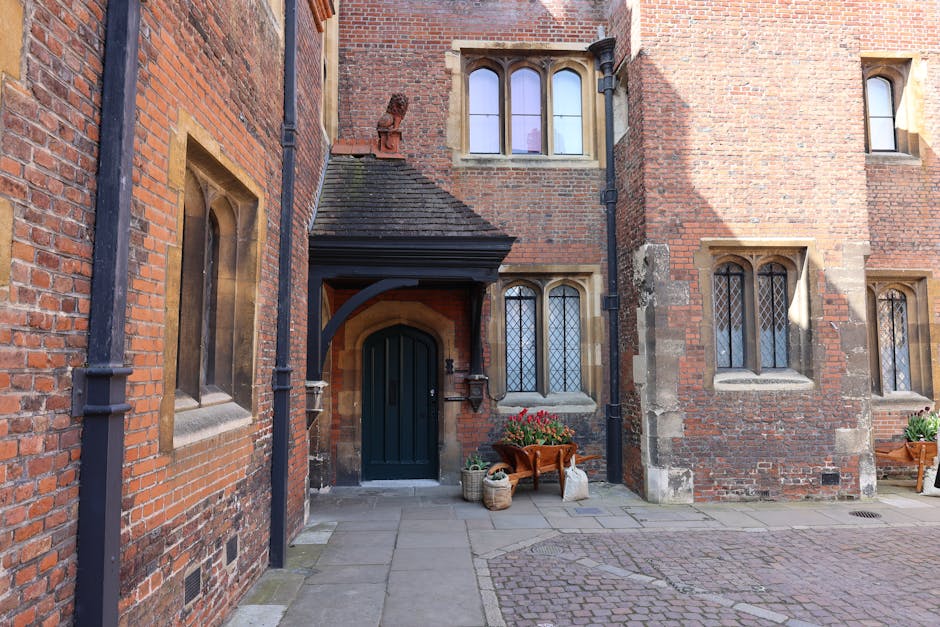
Lambeth Palace historic property cleaning and care
Posted on 24/05/2026
Lambeth Palace Historic Property Cleaning and Care: A Practical Guide to Protecting Historic Interiors
Historic properties have a different kind of beauty. The floors creak a little, the plaster has depth, and every surface seems to carry a story. But that charm also brings a real responsibility. Lambeth Palace historic property cleaning and care is not the same as cleaning a modern flat or a newly built office. It calls for gentler methods, careful planning, and a proper understanding of older materials that can behave in unexpected ways.
If you are responsible for a period building, a heritage interior, or a space with fragile finishes, the biggest challenge is simple: how do you keep it clean without wearing it out? That is the balance this guide is built around. We will look at what specialist care involves, how the process works, where the risks sit, and what a sensible maintenance routine actually looks like in practice. Not theory for theory's sake. Real-world, usable guidance.
For readers also interested in local context, Lambeth has a strong mix of heritage, residential, and commercial activity. You can explore more about the area in Discover Authentic London in Lambeth, and if you are weighing up property upkeep alongside wider ownership decisions, Your Guide to Smart Real Estate in Lambeth is worth a look too.
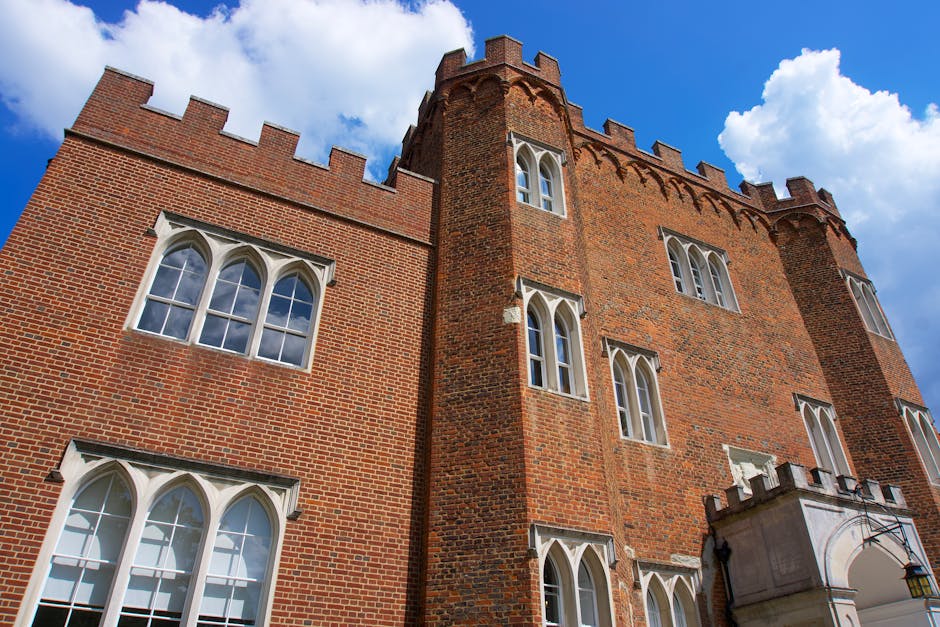
Why Lambeth Palace historic property cleaning and care Matters
Historic buildings are more vulnerable than most people realise. A dusty shelf in a modern home is annoying. In a heritage property, dust can settle into carved detail, dull finish layers, and hide early signs of wear. A rushed clean might look fine for a day, then leave behind streaking, abrasion, or moisture damage that only becomes obvious later.
That is why Lambeth Palace historic property cleaning and care has to be measured, not aggressive. Older woodwork, stone, paint layers, textiles, and decorative finishes often react badly to strong chemicals or excess water. Even something that feels harmless can cause trouble if it is used too often or left in place too long. Truth be told, many expensive restoration jobs begin with a "just gave it a quick clean" moment.
There is also the question of continuity. A historic building is not only something to be kept tidy; it is something to be preserved. Regular care helps protect the appearance, structure, and usability of the property, while reducing the likelihood of needing more intrusive repairs later. In a place like Lambeth, where older buildings often sit alongside busy streets and changing weather conditions, preventative maintenance matters a lot.
And yes, there is a visual side to it too. Well-kept heritage interiors feel calmer, brighter, and more welcoming. The room still looks old, of course. That is the point. But it looks respected.
How Lambeth Palace historic property cleaning and care Works
Specialist cleaning starts with assessment. Before any cloth touches a surface, the property should be reviewed for material type, condition, access needs, and sensitive areas. A proper survey usually checks floors, wall finishes, fixtures, decorative details, upholstery, carpets, and any surfaces that may have historic value or fragile coatings.
From there, the work is broken into zones and methods. You do not treat a stone corridor the same way you treat a silk curtain, and you definitely do not use the same approach for a polished timber surface and a modern laminate insert. The best care plans are layered: gentle dust removal, controlled spot treatment, low-moisture cleaning where suitable, and specialist attention for delicate items.
A good routine often includes:
- Dry dusting and vacuuming with appropriate attachments
- Soft-surface cleaning using pH-appropriate products
- Careful stain spotting on carpets and upholstery
- Wood, stone, or metal surface maintenance based on the finish
- Periodic deep cleaning for high-traffic areas
- Post-clean checks to spot any reaction, residue, or damage
If you want a broader service view of how a cleaning provider might structure this sort of work, the services overview and deep cleaning in Lambeth pages give a useful sense of what a professional approach can look like. For properties that need an occasional reset rather than a routine visit, one-off cleaning in Lambeth may also be relevant.
One small but important point: historic property care is often as much about restraint as action. Sometimes the right decision is to leave a surface alone, document the issue, and bring in the right method later. That is not inaction. That is good judgement.
Key Benefits and Practical Advantages
The real benefit of specialist care is not just a cleaner appearance. It is preserving value, preventing unnecessary damage, and keeping the building usable without stripping away its character.
Key advantages include:
- Protection of delicate materials: Old wood, plaster, fabrics, and stone can be cleaned safely when the method is chosen properly.
- Longer life for finishes: Gentle maintenance reduces wear from harsh chemicals and abrasive tools.
- Better indoor presentation: A clean historic space feels cared for, which matters for residents, staff, guests, or visitors.
- Reduced long-term cost: Early intervention often costs less than remedial restoration later.
- Improved risk awareness: Regular inspections can reveal leaks, mould, pest activity, or surface breakdown before the issue spreads.
There is also a practical day-to-day benefit that people sometimes underestimate. Clean historic spaces are easier to manage. Dust is less likely to settle in corners, surfaces are easier to inspect, and maintenance work becomes less disruptive. You get a more stable rhythm, which matters in any building that sees regular use.
For spaces used by visitors or communities, appearance can also affect perception. If you are maintaining a property as part of a local business, venue, or managed building, the way it looks on arrival shapes trust very quickly. That is just how people work. First impressions are not everything, but they are not nothing either.
Who This Is For and When It Makes Sense
Lambeth Palace historic property cleaning and care is relevant to a wider group than you might expect. It is not only for palaces or museums. In practice, it can suit anyone responsible for a property with older fabric, decorative detail, or conservation-sensitive features.
This includes:
- Owners and managers of period homes
- Facilities teams responsible for heritage interiors
- Church, civic, or community buildings with old finishes
- Landlords of high-value or character properties
- Office managers working in converted historic premises
- Event hosts using heritage spaces for receptions or private functions
It makes sense when you notice recurring dust build-up in ornate details, dulling of floors, patchy cleaning results, or signs that standard products are simply too strong. It also makes sense before a busy season, before a special event, or after building work. Renovation dust, by the way, gets everywhere. Everywhere.
If the property is lived in daily, routine care is usually the best route. If it is used intermittently, a structured clean before and after key periods can be more practical. And if you are comparing maintenance needs with your broader household upkeep, domestic cleaning in Lambeth and house cleaning services may help frame what a regular schedule could look like.
Step-by-Step Guidance
Here is a practical way to approach historic property cleaning and care without making it overcomplicated.
- Survey the property first. Identify delicate surfaces, older repairs, water-sensitive materials, and areas with access limitations.
- Separate routine cleaning from specialist work. Some tasks can be handled regularly; others need a trained hand or a very light touch.
- Test products on a hidden area. Even mild solutions can discolour or leave residue, so a patch test matters.
- Work from dry to damp. Remove dust and loose debris before introducing moisture. It keeps grime from spreading into the grain or weave.
- Use the least aggressive method that works. Start gently. Increase only if needed.
- Check the result as you go. Look for streaking, fibre lift, sheen changes, or swelling.
- Document what was done. Notes on products, areas treated, and any issues discovered help future maintenance.
- Build a repeat schedule. Historic care works best when it is not a one-off panic clean.
That last point is the one many people miss. A property does not become easier to manage because you clean it harder once. It becomes easier when the maintenance plan is steady and realistic.
If you are balancing heritage care with other practical needs like carpets or furnishings, there is a useful crossover with carpet cleaning in Lambeth and upholstery cleaning in Lambeth. These services matter because soft furnishings often hold dust, oils, and pollutants that make historic interiors feel tired much faster than the walls do.
Expert Tips for Better Results
Good historic cleaning is usually about discipline and tiny choices. Not drama. Not fancy equipment for the sake of it.
What tends to help most:
- Use microfibre or soft natural-fibre cloths where appropriate, but avoid over-rubbing.
- Vacuum with controlled suction and suitable attachments, especially around mouldings and textile edges.
- Keep moisture tightly managed. Damp, not wet, is often the safer starting point.
- Work top to bottom so dust falls into already-cleaned areas less often.
- Allow proper drying time between stages. Rushing is where trouble starts.
- Be wary of perfumes and heavy residues; they can mask issues rather than solve them.
A slightly less obvious tip: pay attention to the room's use pattern. A hallway near an entrance will need different care from a protected study or upper landing. If the front door is busy, with shoes, umbrellas, and the usual London grit, a more frequent but lighter approach usually works better than an occasional heavy clean.
For shared or commercial spaces, timing matters too. Early morning cleans can avoid disruption, while evening work may be better for event venues or occupied offices. If your property has office or reception areas within it, office cleaning in Lambeth can be useful alongside specialist heritage care. And if there is a bigger seasonal reset on the cards, spring cleaning in Lambeth often provides the right framework.

Common Mistakes to Avoid
Historic properties tend to reward patience and punish shortcuts. The most common mistakes are not dramatic, but they do add up.
- Using strong all-purpose chemicals everywhere. They may clean fast, but they can damage finishes or leave sticky residues.
- Scrubbing too hard. Abrasion can dull sheen, lift fibres, and wear down delicate surfaces.
- Over-wetting carpets or wood. Excess moisture can lead to swelling, staining, or slow drying problems.
- Ignoring hidden dust build-up. Cornices, vents, skirting, and behind furniture are easy to miss.
- Skipping a patch test. A small test area can save a major headache.
- Cleaning without a plan. If you do not know the material, you can easily use the wrong approach.
One surprisingly common mistake is assuming a surface that looks robust actually is robust. It may be old paint over fragile plaster, or a polished finish sitting on a more delicate substrate. The outside can lie a little. Buildings do that.
If you are outsourcing the work, choosing a provider only on speed can be risky. Ask how they assess materials, what they do when a surface is sensitive, and whether they can explain their process in plain English. If the answers are vague, that is a clue.
Tools, Resources and Recommendations
You do not need a warehouse full of specialist kit to care for a historic property well. In many cases, a modest set of sensible tools beats an impressive-looking box of products no one fully understands.
Useful tools and materials often include:
- Soft brushes for dusting mouldings and corners
- Vacuum cleaners with adjustable suction and brush attachments
- White microfibre cloths for controlled wiping
- Neutral or surface-appropriate cleaning solutions
- Dry sponges for selected soot or residue removal, where suitable
- Protective covers or runners for high-traffic routes
- Humidity and temperature monitoring where the building warrants it
From a service perspective, it also helps to work with a cleaning provider that can support both specialist and everyday needs. That is where about us, insurance and safety, and health and safety policy pages become useful reading. They help you understand how a company thinks about risk, method, and responsibility before anyone steps inside the building.
For practical booking and planning, it is also smart to review pricing and quotes so you know how estimates are typically structured. If you are ready to speak to someone, contact the team here or use the quote request form.
Law, Compliance, Standards, or Best Practice
Historic property cleaning and care often sits within a broader framework of building management, duty of care, and sensible professional practice. While not every property will face the same legal or conservation requirements, it is wise to assume that older or special-interest buildings deserve extra caution.
In the UK, best practice usually means:
- Working with appropriate risk assessment and method statements where needed
- Using trained staff for delicate or potentially hazardous tasks
- Following product instructions carefully rather than guessing
- Respecting access, privacy, and operational constraints in occupied buildings
- Keeping records of significant treatments, especially on sensitive surfaces
Where conservation value is present, it is sensible to involve the relevant property manager, custodian, or specialist adviser before making changes to materials or finishes. That is not overkill. It is just careful stewardship.
If the property also functions as a workplace or public-facing space, commercial standards around health and safety become part of the picture too. A responsible cleaning provider should be able to explain how they manage slips, drying times, chemical handling, and access disruption. For peace of mind, many clients also review the company's terms and conditions and payment and security information before booking. Small detail, yes. But it matters.
Options, Methods, or Comparison Table
Different cleaning methods suit different heritage situations. Here is a simple comparison to help you think clearly about the trade-offs.
| Method | Best For | Advantages | Watch Outs |
|---|---|---|---|
| Dry dusting and vacuuming | Routine care, ornate detail, textiles | Low risk, fast, good for regular maintenance | Needs the right attachments and a careful touch |
| Low-moisture spot cleaning | Carpets, upholstery, targeted marks | Controlled, practical for specific issues | Patch testing is essential; overuse can still cause damage |
| Deep cleaning | Heavily used areas, seasonal resets | Resets appearance, removes built-up grime | Requires good planning and drying time |
| Specialist conservation cleaning | Fragile finishes or high-value interiors | Most suitable for sensitive heritage fabric | Usually slower and more technical |
In practical terms, many properties benefit from a mixed approach. Daily or weekly light care keeps the building stable, while occasional deeper work handles the areas that take the most wear. That blend is often more realistic than chasing perfection every time. Lets face it, no one wants a grand building treated like a showroom if people actually live or work there.
Case Study or Real-World Example
Imagine a heritage property in Lambeth with polished timber floors, decorative plasterwork, and a mix of soft furnishings in rooms that are used for meetings and occasional events. The first visit reveals a few familiar issues: dust around cornices, dull traffic lines in a corridor, and upholstery that looks clean at a glance but feels tired up close.
The sensible approach is not to blast everything with a strong general-purpose product. Instead, the care plan starts with a full surface assessment, then splits the work into stages. High dusting is done first. Carpets are treated with careful spot testing. Upholstery gets a controlled clean using the gentlest suitable method. Timber areas are wiped and checked for finish sensitivity. The rooms are then reviewed after drying, because a good result can look different once the surface has fully settled.
What changes most is not just the appearance, but the feeling of the space. It smells cleaner, sounds a little quieter underfoot, and the carved detail reads more clearly again. That sort of result is subtle, but you notice it. So do visitors.
A property manager might then move the building onto a lighter maintenance cycle, with periodic checks and smaller cleans rather than waiting for grime to build up again. Simple. Not easy, perhaps. But simple.
Practical Checklist
Use this checklist before, during, or after historic property cleaning and care work.
- Identify fragile or valuable surfaces before cleaning starts
- Test any new product on a hidden area
- Choose the least aggressive effective method
- Keep moisture low and controlled
- Use the right attachments for dusting and vacuuming
- Protect floors, thresholds, and traffic routes during work
- Allow enough drying time before reopening the area
- Inspect for residue, streaking, swelling, or colour change
- Record what was cleaned and how it was treated
- Set a realistic follow-up schedule
If a task feels borderline, pause and reassess. That single pause can save a finish, a fixture, or a whole afternoon. Honestly, it is often the cheapest part of the job.
Conclusion
Lambeth Palace historic property cleaning and care is really about respect: respect for materials, respect for history, and respect for the people who use the building every day. The best results come from careful assessment, gentle methods, and a maintenance plan that matches the property rather than fighting it.
Whether you manage a heritage home, a mixed-use building, or a character property that simply needs smarter upkeep, the aim is the same: keep it looking good without erasing what makes it special. That balance is achievable, and once you find it, everything becomes easier to live with.
Get a free quote today and see how much you can save.
If you are planning a clean or need advice on the right service level, you can also explore end of tenancy cleaning in Lambeth for move-related situations, or read Lambeth housing market insights for a broader view of local property expectations. And if you want a little more colour about the neighbourhood around you, life in Lambeth and top celebration venues in Lambeth are useful reads too.